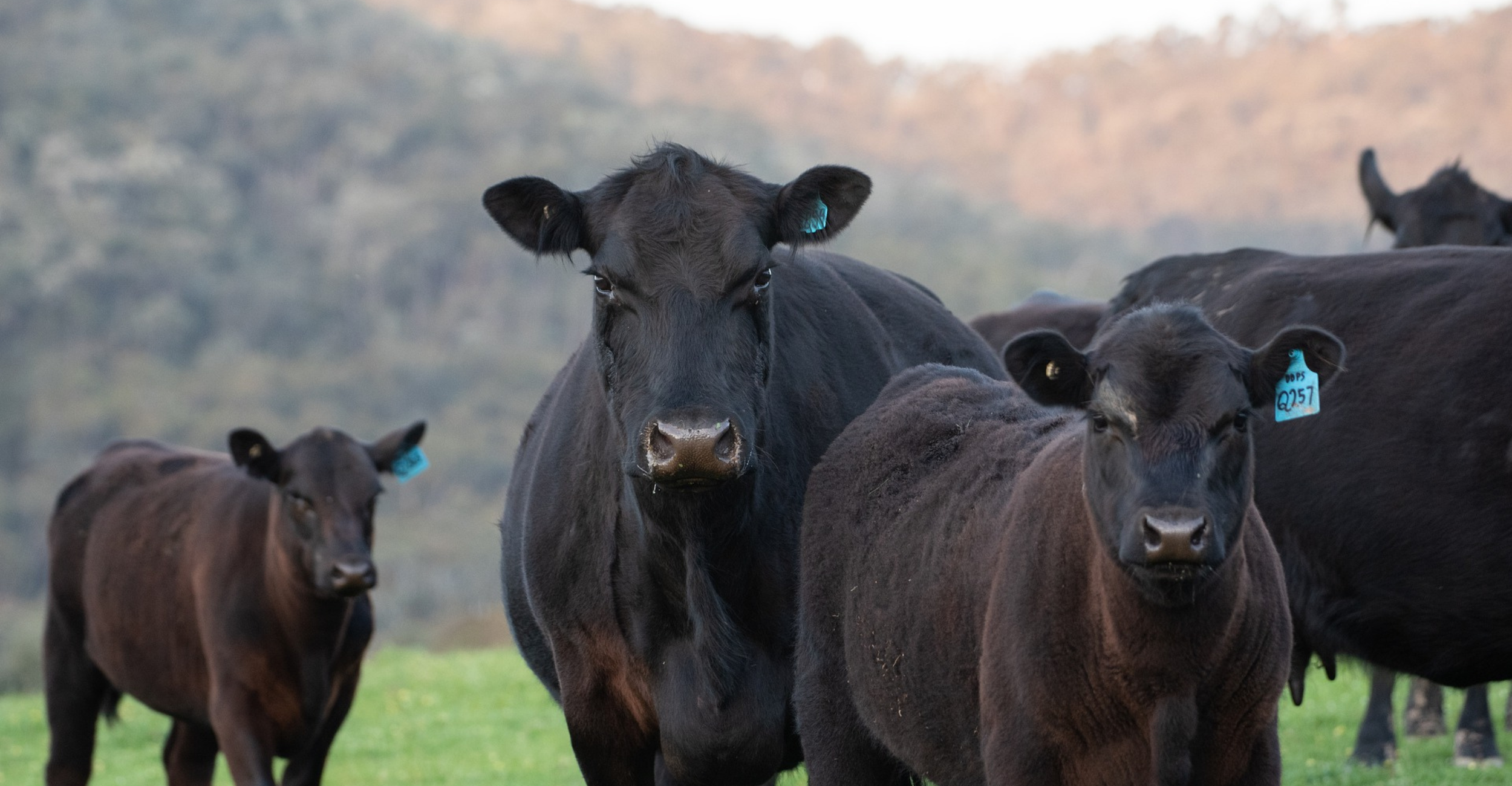
The high cost of bulls, strong cattle prices and good seasonal conditions are driving an increase in the uptake of Artificial Insemination in commercial beef herds.
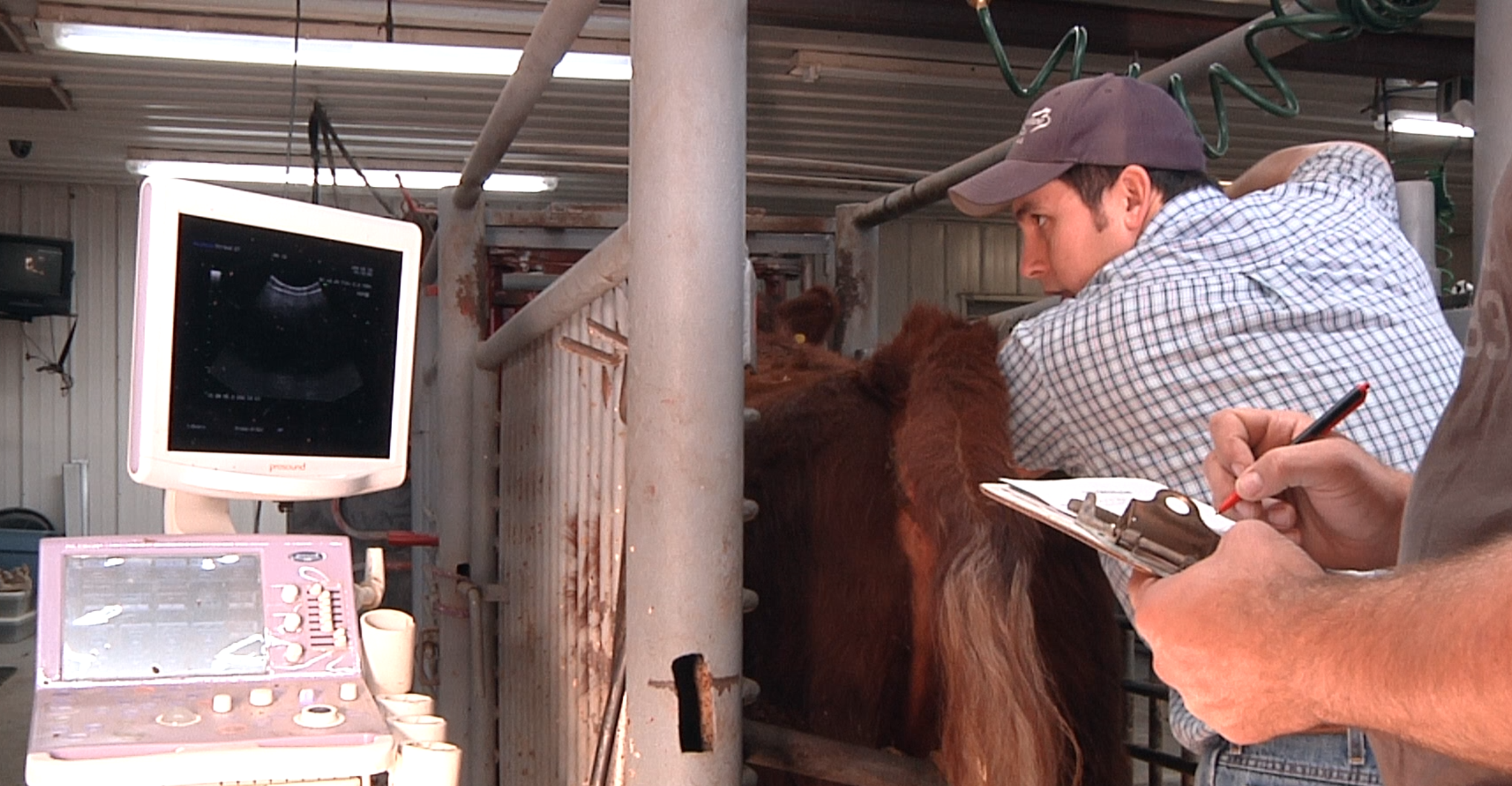
For folks who are used to heat detection or who have never used AI before, the idea of timed AI can be a little scary. I know of more than one producer who calls it “poke and hope.” Of course, the physiology of timed AI and estrus synchronization is quite a bit more sophisticated than that.
Advancements in artificial insemination (A.I.) for beef cattle have come a long way in the past few decades. One reproductive technology with the potential to improve management and bottom lines even further for producers is sexed semen.
From a year working on a farm, Chris progressed to four years as a manager and then as a couple with two young kids they took on a lower-order sharemilking contract for four years, followed by seven years in a 50:50 contract.
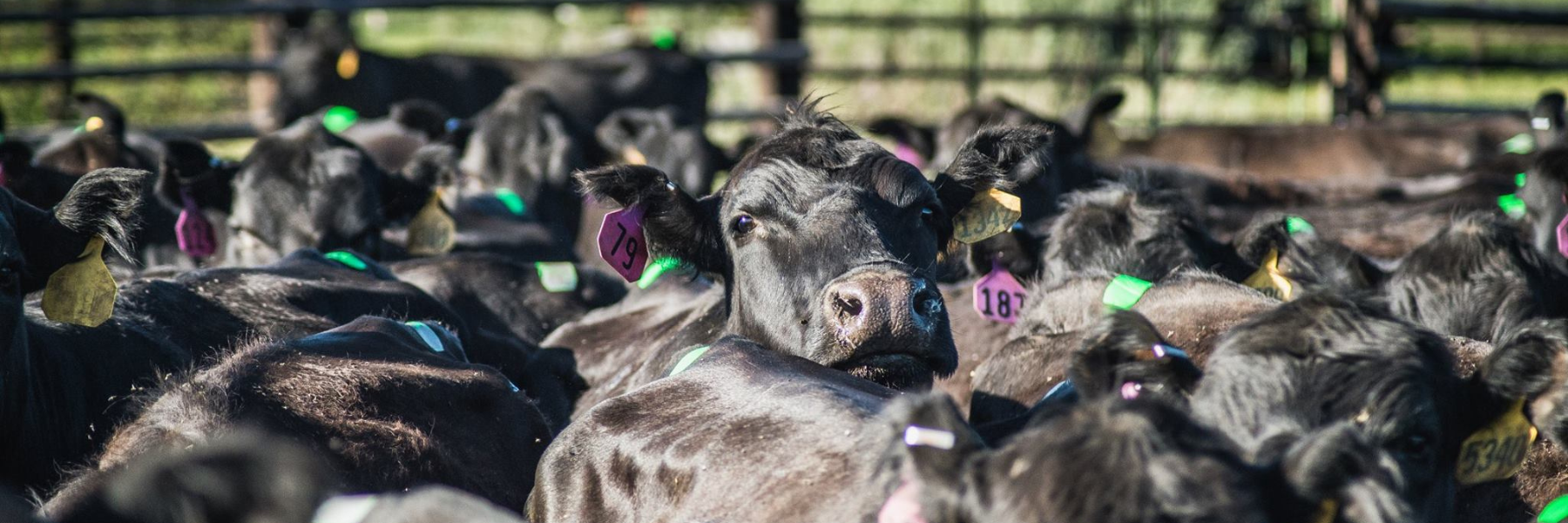
Artificial insemination (AI) is a proven way to improve genetics. It is also an efficient method to front-load when calves are born during the calving season, which helps increase the weaning weight average of the whole herd.
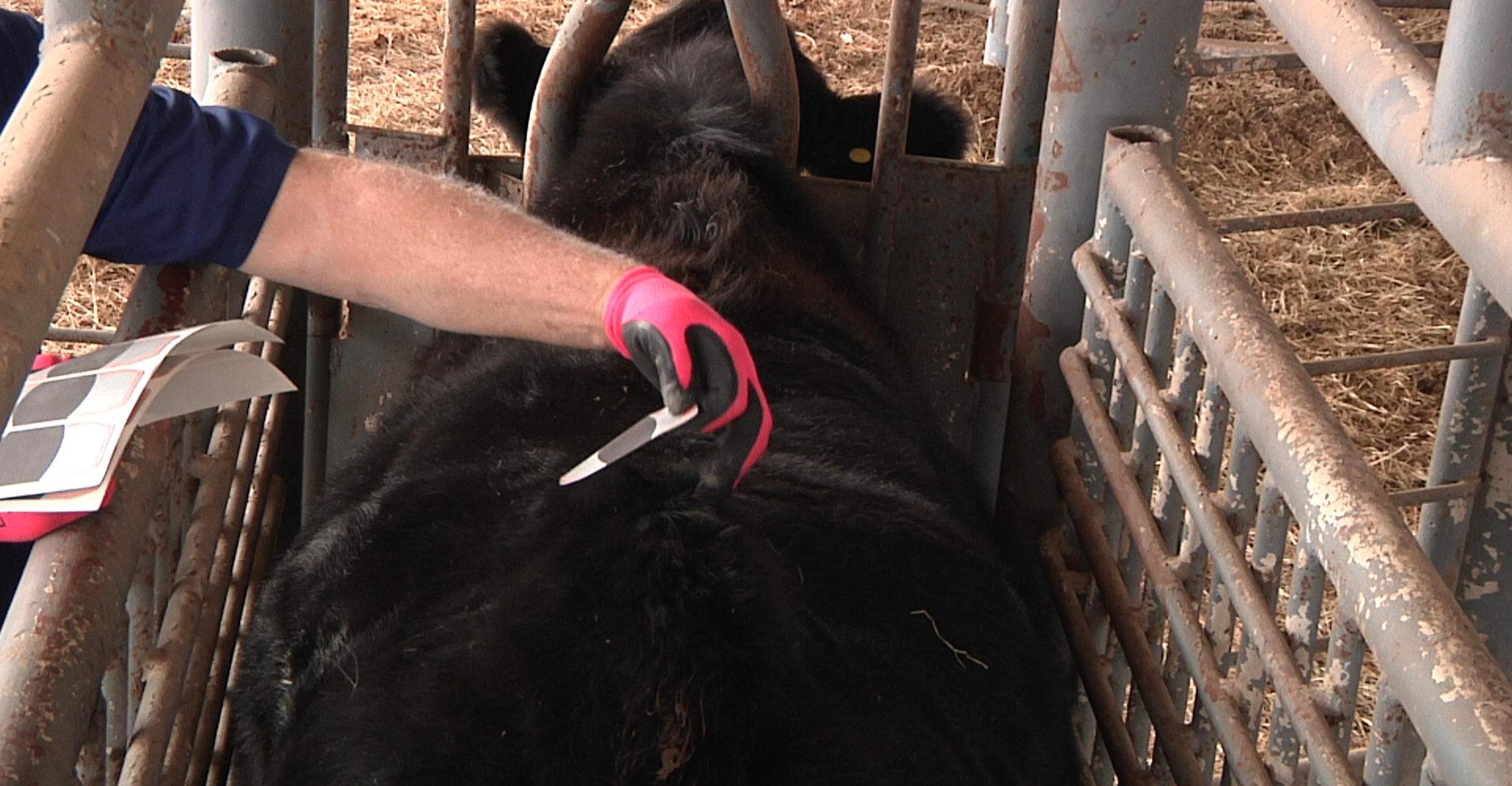
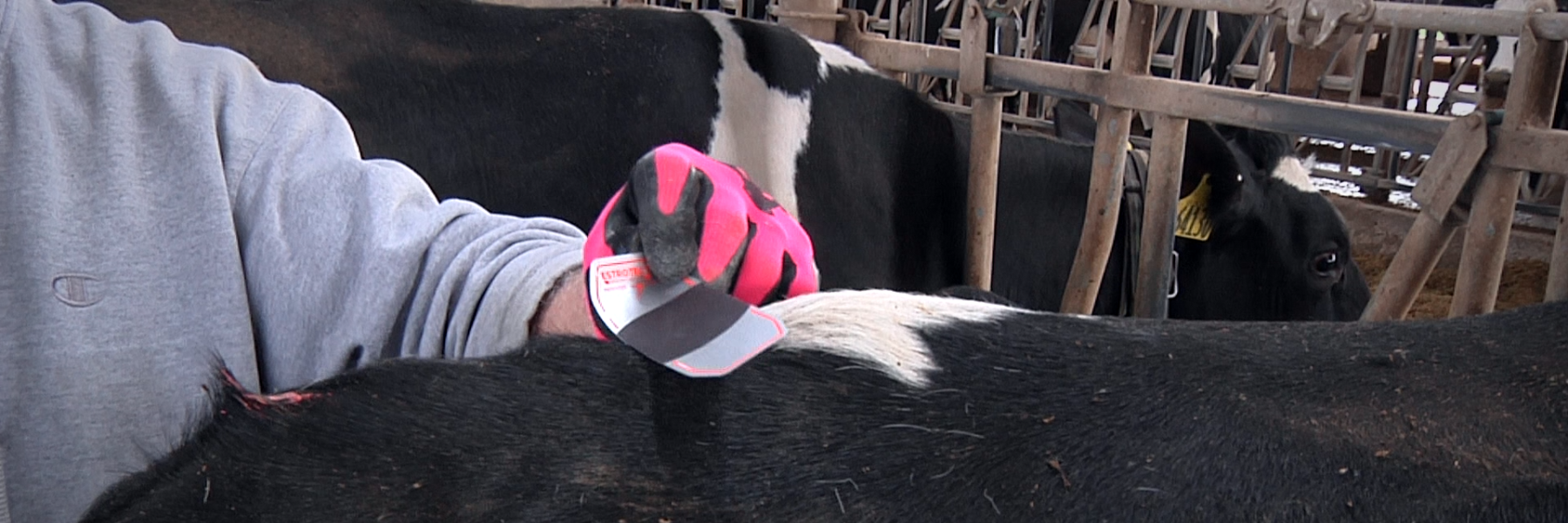
Reproductive decisions, determining heifer cyclicity and breeding problem cows are just a few reasons to detect estrus with breeding indicator patches.
How do you maximize performance, feeder calf value and end-product quality while simultaneously achieving the ideal in maternal performance, adaptability and efficiency? This is a challenging task and probably the most important long-term decision facing many commercial producers today.